14K vs 18K Gold: Which Should You Buy?
14K vs 18K gold compared side by side - purity, durability, price, color, and which karat is best for rings, daily wear, and investment.
14K vs 18K Gold: Which Should You Buy?
Choosing between 14K and 18K gold is one of the most common decisions every jewelry buyer faces. These two karats sit at the heart of the fine jewelry market, and each comes with genuine advantages that make it the better choice depending on your situation. This is not a case where one is universally "better" than the other - it is a question of what matters most to you.
14K gold contains 58.3% pure gold. 18K gold contains 75% pure gold. That difference of roughly 17 percentage points changes everything from the color and feel to the durability, price, and even how the piece reacts to your skin. In this guide, we break down every factor so you can choose with confidence.
Not Sure What Karat Means?
If you are new to gold purity, start with our Gold Karat Chart for a complete overview of every karat value from 8K to 24K, then come back here for this focused comparison.
The Fundamentals: Composition and Purity
Before diving into the practical differences, let us establish exactly what each karat contains.
14K Gold (585 Fineness)
14 karat gold is an alloy composed of 58.3% pure gold and 41.7% other metals. In the millesimal fineness system used across Europe and much of the world, it is stamped "585." In the United States, it is stamped "14K" or "14kt."
The non-gold portion (41.7%) is a carefully formulated blend of metals chosen to achieve specific properties. For yellow gold, this typically includes copper and silver with small amounts of zinc. For white gold, the alloy metals are palladium, nickel, or a combination of both along with zinc and copper. For rose gold, copper dominates the alloy composition.
14K is the single most popular gold karat in the United States and Canada. It strikes a middle ground between having a meaningful amount of gold and being durable enough for daily wear. If you walk into a mainstream jewelry store in America, the majority of the gold pieces on display will be 14K.
For a deeper dive into the 585 fineness stamp and what it means, see our full guide on 585 Gold Meaning.
18K Gold (750 Fineness)
18 karat gold contains 75% pure gold and 25% other metals. It carries the fineness stamp "750" and is marked "18K" or "18kt" in the United States. With three-quarters of its content being pure gold, 18K sits firmly in the fine jewelry category.
The 25% alloy content still allows for significant variation in color and properties. Yellow 18K gold uses silver and copper, resulting in a noticeably richer yellow than 14K. White 18K gold often uses palladium as the primary whitening agent, producing a naturally warm-white alloy that is typically rhodium-plated for a brighter finish. Rose 18K gold blends copper with a small amount of silver to produce a subtle, sophisticated pink tone.
18K gold is the international standard for luxury jewelry. Prestigious brands like Cartier, Van Cleef and Arpels, Bulgari, and Rolex use 18K gold as their primary material. It is also the most popular karat in much of Europe, Japan, and other markets where consumers prioritize gold content over affordability.
Learn more about the 750 fineness stamp in our 750 Gold Meaning guide.
Side-by-Side Comparison
| Property | 14K Gold | 18K Gold |
|---|---|---|
| Gold Content | 58.3% (585) | 75.0% (750) |
| Alloy Content | 41.7% | 25.0% |
| Mohs Hardness | 3.5 - 4.0 | 2.75 - 3.0 |
| Color Richness | Moderate warm yellow | Deep rich yellow |
| Scratch Resistance | Higher | Lower |
| Dent Resistance | Higher | Lower |
| Skin Sensitivity Risk | Higher (more alloy metals) | Lower (more gold, less allergen) |
| Tarnish Resistance | Good | Very Good |
| Relative Price | Lower (approx. 30-40% less) | Higher |
| Best For | Daily wear, active lifestyles | Fine jewelry, special occasions |
| Common Stamps | 585, 14K, 14kt | 750, 18K, 18kt |
| FTC Minimum Standard (US) | Yes (above 10K minimum) | Yes (above 10K minimum) |
| ISO 9202 Preferred Fineness | Yes (585) | Yes (750) |
Durability: Where 14K Gold Wins
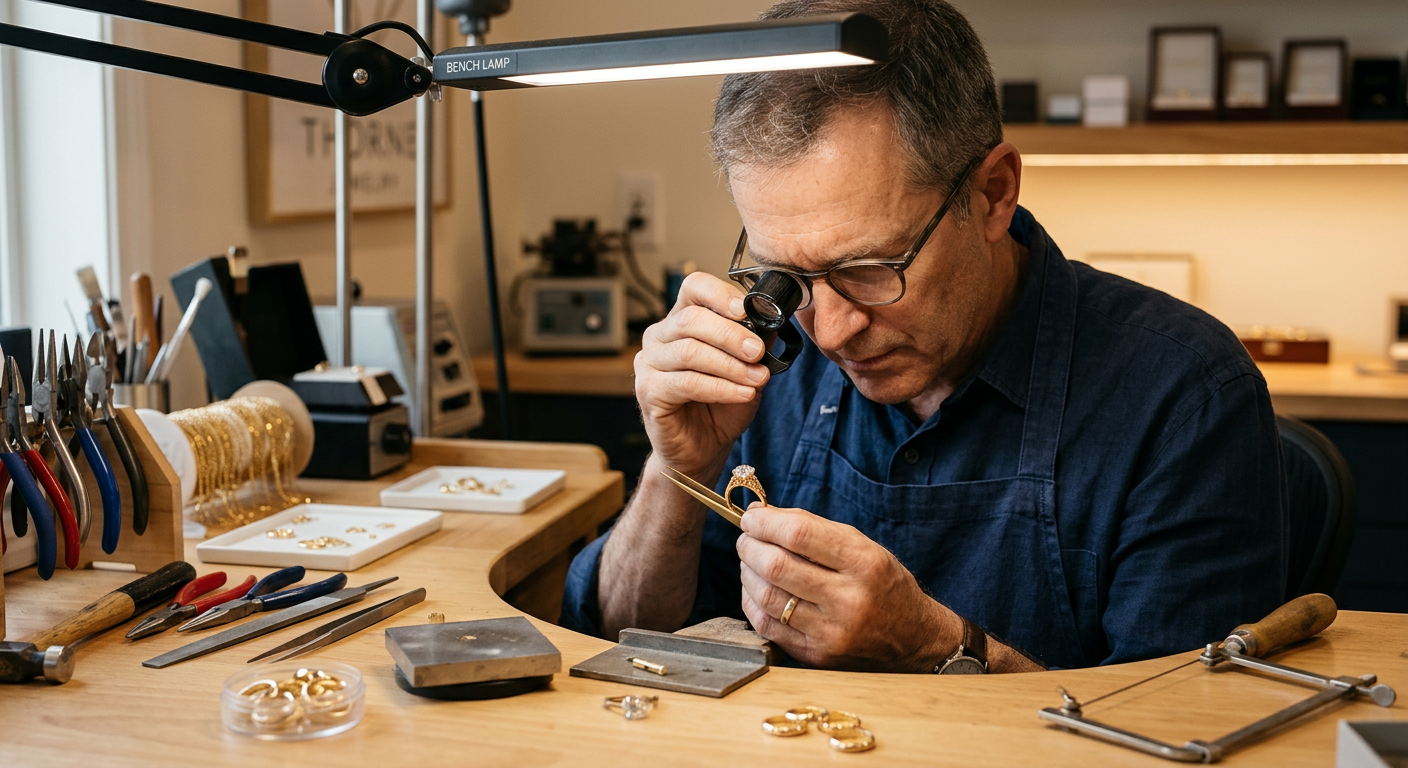
Durability is where 14K gold holds a clear and meaningful advantage over 18K. This is not a minor difference - it matters in real, everyday scenarios.
Hardness and Scratch Resistance
Because 14K gold contains 41.7% alloy metals (compared to 25% in 18K), it is significantly harder. The additional copper, silver, and zinc create a tougher crystalline structure that resists scratching and surface abrasion better than the softer, higher-gold 18K alloy.
In practical terms, this means:
- A 14K gold ring worn daily will show fewer fine scratches after a year of wear than an identical 18K ring.
- 14K gold prong settings hold gemstones more securely because the metal is harder and less likely to bend or wear thin over time.
- Thin elements like filigree work, delicate chain links, and knife-edge ring profiles maintain their shape better in 14K.
Dent and Impact Resistance
Beyond surface scratches, 14K gold is also more resistant to dents, dings, and deformation from impact. If you bump your ring against a doorframe or countertop (something that happens constantly with rings worn every day), 14K gold is less likely to show the impact.
This is particularly important for:
- Engagement rings and wedding bands that are worn 24/7, including during physical activities
- Bracelets and bangles that inevitably contact hard surfaces
- Men's rings that tend to see rougher wear
When Durability Matters Most
If you work with your hands, exercise while wearing jewelry, or simply prefer a "set it and forget it" approach to your pieces, 14K gold is the more practical choice. It handles the realities of daily life better than 18K.
A Note on Platinum Comparison
If durability is your absolute top priority and budget is less of a concern, platinum is even harder and more durable than 14K gold. However, it comes at a significantly higher price point. For most buyers, 14K gold provides excellent durability at a fraction of platinum's cost.
Color and Appearance: Where 18K Gold Wins
If 14K wins on toughness, 18K wins on beauty - at least when it comes to that rich, warm gold color that most people associate with fine jewelry.
Yellow Gold Comparison
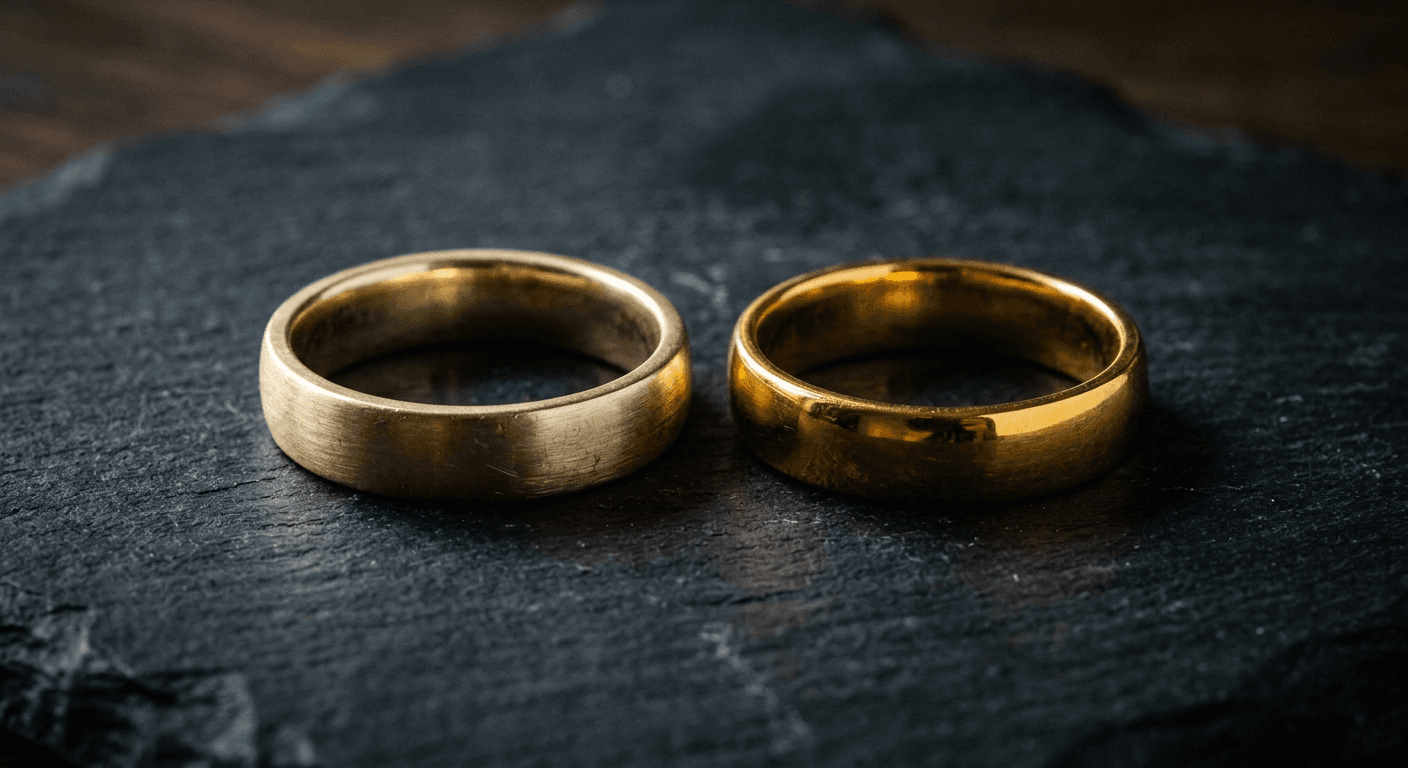
The color difference between 14K and 18K yellow gold is visible to the naked eye when pieces are compared side by side. 18K yellow gold has a deeper, more saturated golden hue - a warm, almost buttery richness that immediately reads as "luxury." 14K yellow gold is lighter, slightly paler, and can have a faintly greenish or lemony undertone depending on the exact alloy composition.
Is the difference dramatic? Not to everyone. Some people prefer the slightly more restrained color of 14K. But if you are after that classic, warm gold look, 18K delivers it more convincingly.
White Gold Comparison
In white gold, the difference between 14K and 18K is more nuanced. Both karats are typically rhodium-plated to achieve a bright, silvery-white finish, so when new, they look virtually identical. The difference shows up over time:
- 14K white gold has a slightly cooler, greyer base tone. When the rhodium plating wears off (which happens gradually over 1-3 years with daily wear), the underlying alloy may appear greyish-white with a slight yellow tint.
- 18K white gold has a warmer, slightly champagne-toned base. As rhodium wears off, it takes on a warm, creamy-white patina. Some people prefer this natural tone and choose to skip re-plating.
Palladium-based 18K white gold is the premium option - it has a naturally white appearance even without rhodium, though most jewelers still plate it for maximum brightness.
Rose Gold Comparison
Rose gold shows the most dramatic difference between the two karats:
- 14K rose gold has a strong, distinctly pink appearance. With 41.7% alloy content (mostly copper), the pink tone is prominent and unmistakable. This is the "Instagram rose gold" that became enormously popular in the 2010s.
- 18K rose gold has a softer, more subtle blush-pink tone with a noticeable golden warmth underneath. It looks more refined and less "pink" than 14K. Many high-end brands prefer 18K rose gold precisely because of this understated elegance.
Neither is better - it genuinely comes down to personal preference. If you want bold pink, go with 14K. If you want a softer, more golden-pink, choose 18K.
Price: The Real-World Difference
Price is often the deciding factor, so let us be specific about what the difference actually looks like.
Raw Gold Value Difference
The gold content in 18K is roughly 28.6% higher than in 14K (75% vs. 58.3%). This means that for any given weight of jewelry, the raw gold value of 18K is about 28-29% more than 14K, all else being equal.
However, the retail price premium of 18K over 14K is typically larger than just the gold value difference, because:
- 18K jewelry is often positioned as a premium product, with higher design and craftsmanship standards.
- Luxury brands that exclusively use 18K charge significant brand premiums.
- The manufacturing process for 18K can require more skill, as the softer metal demands more careful handling.
Typical Price Ranges
For a simple, unadorned gold band ring of the same design and weight:
- The 18K version typically costs 30% to 50% more than the 14K version from the same jeweler.
- For a mass-market piece from a chain store, the difference might be $200 to $400 on a piece priced around $600 to $800 in 14K.
- For a luxury brand piece, the 14K option may not even exist, as many high-end brands only work in 18K.
Value Retention
When it comes to resale or melt value, 18K gold retains more value per gram because it contains more gold. If you ever sell the piece, you will recover a higher percentage of the gold spot price from 18K than from 14K. However, this should not be the primary factor driving your decision for jewelry - the design, condition, and brand carry more weight in resale than the karat alone.
Use our Gold Karat Calculator to see the exact gold value of any piece based on its weight, karat, and the current spot price.
Skin Sensitivity and Allergies
For anyone with metal sensitivities, the choice between 14K and 18K is not just about preference - it is about comfort.
Why Lower Karats Cause More Reactions
The most common jewelry allergy is to nickel, and to a lesser extent, copper and zinc. Since 14K gold contains significantly more alloy metals than 18K (41.7% vs. 25%), there is simply more potential allergen material in contact with your skin.
This is especially relevant for:
- Nickel-based white gold: 14K white gold formulations that use nickel can cause reactions in the estimated 10-15% of people who have nickel sensitivity. 18K white gold that uses palladium instead of nickel is generally safe for nickel-sensitive individuals.
- Earrings and body piercings: These go through the skin, creating direct contact with tissue. Higher karat gold reduces the risk of irritation.
- Rings worn continuously: Moisture and sweat trapped under a ring can accelerate reactions with alloy metals.
The Safest Choice for Sensitive Skin
If you know you have a metal allergy or sensitive skin:
- Choose 18K gold or higher to minimize alloy content.
- For white gold, insist on palladium-based formulations rather than nickel-based.
- Consider yellow or rose gold, as these formulations typically contain no nickel.
- Ask the jeweler for the specific alloy composition - reputable jewelers will provide this information.
Best Use Cases: Which Karat for Which Purpose?
Engagement Rings
This is the question that drives more 14K-vs-18K debates than any other. Both are excellent choices, and the "right" answer depends on the wearer's lifestyle.
Choose 14K if:
- The wearer works with their hands or has an active lifestyle
- Durability is a higher priority than color richness
- Budget is a significant factor (the savings on the gold can be redirected to a better diamond or gemstone)
- The ring will be worn every single day without removal
Choose 18K if:
- Color richness and that "luxury gold" look are important
- The wearer has sensitive skin or known metal allergies
- You are buying from a luxury brand that only offers 18K
- The wearer is willing to be slightly more careful with the ring
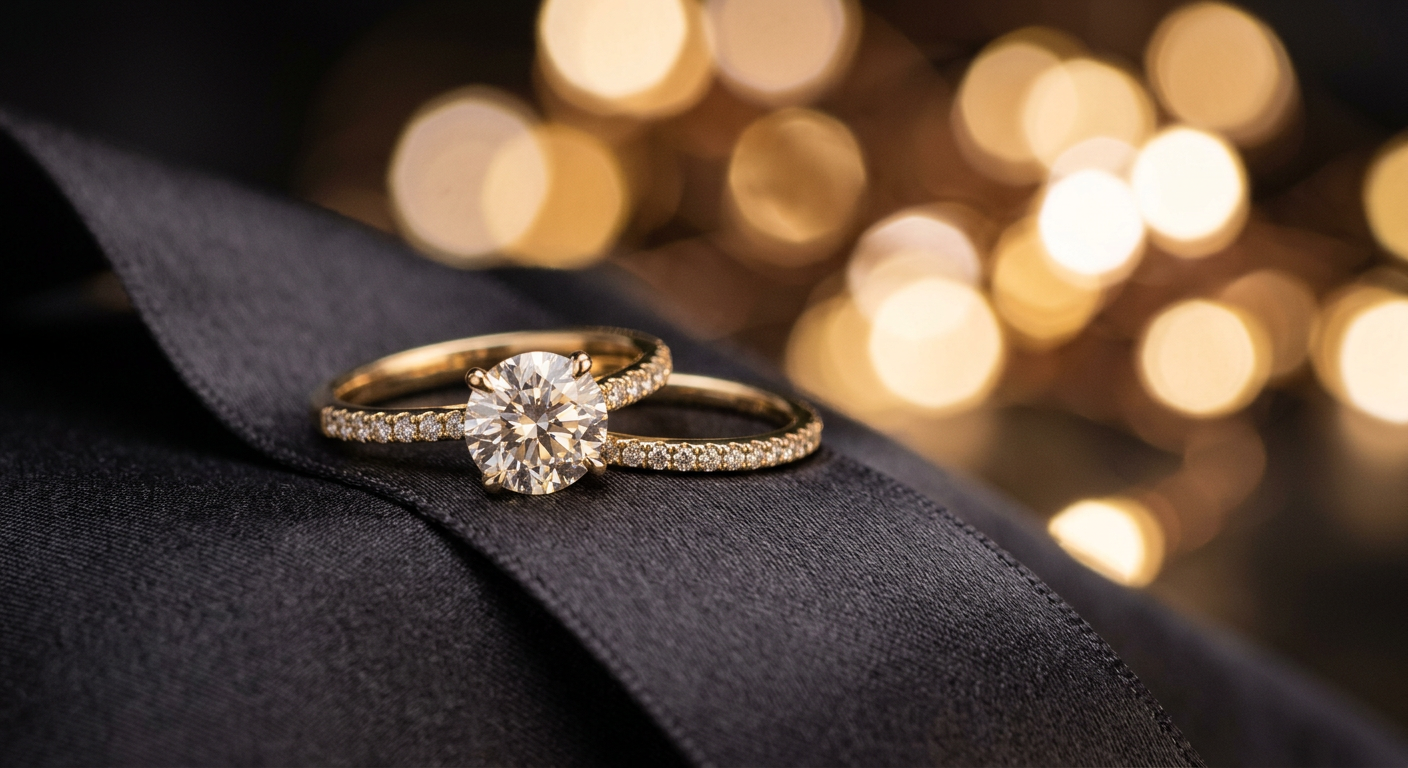
Many jewelers recommend 14K for the setting (especially the prongs, which need to be strong) and note that 18K is a perfectly fine choice for the band portion, which sees less mechanical stress.
Wedding Bands
Similar logic applies to wedding bands, with one addition: comfort-fit wedding bands (which have a rounded interior) in 14K gold are extremely durable and comfortable for lifetime daily wear. 18K comfort-fit bands are also popular but will show wear patterns sooner.
Daily Wear Jewelry (Chains, Bracelets, Earrings)
- Chains and necklaces: 14K is the more practical choice for chains, especially delicate ones. Thinner links in 14K are stronger and less prone to kinking or breaking than the same links in 18K.
- Bracelets: 14K is preferred for bangles and chain bracelets that experience regular impact. 18K works well for cuff bracelets and designs that are less prone to accidental contact.
- Earrings: This is where 18K shines. Earrings see less mechanical stress than rings or bracelets, so durability is less critical. The richer color of 18K is visible and appreciated at the ear, and the lower alloy content is better for pierced ears.
Investment Purposes
Neither 14K nor 18K is ideal for pure gold investment - if you are buying gold as a store of value, 22K or 24K coins and bars offer better value per gram of gold purchased. However, if you want jewelry that also retains reasonable gold value, 18K gives you more gold per gram of total weight. For a full overview of investment-grade karats, see our Gold Karat Chart.
Watches
The luxury watch industry overwhelmingly uses 18K gold. Rolex, Omega, Patek Philippe, and Audemars Piguet all standardize on 18K for their gold models. Some brands have even developed proprietary 18K alloys - Rolex's "Everose Gold" is a patented 18K rose gold formula designed for enhanced tarnish resistance, and Hublot's "Magic Gold" is an 18K alloy engineered with ceramic for extreme scratch resistance.
14K gold watches exist but are more common in the mid-range market. If you are buying a luxury timepiece, you will almost certainly be getting 18K.
Maintenance and Care
Both 14K and 18K gold are relatively low-maintenance compared to silver (which tarnishes readily) or costume jewelry (which can corrode). However, there are differences.
Cleaning
Both karats can be cleaned the same way:
- Soak the piece in warm water with a few drops of mild dish soap for 15-20 minutes.
- Gently scrub with a soft-bristled toothbrush, paying attention to crevices and behind gemstone settings.
- Rinse thoroughly under warm running water.
- Pat dry with a soft, lint-free cloth.
Avoid harsh chemicals, ultrasonic cleaners (for pieces with delicate gemstones), and abrasive materials.
Polishing
14K gold maintains its polish longer due to its harder surface. 18K gold develops a patina of fine scratches sooner, which some people appreciate as a "lived-in" character. Professional polishing can restore the original finish to either karat, though repeated heavy polishing removes a thin layer of metal each time.
Rhodium Re-Plating (White Gold)
If you choose white gold in either karat, expect to have it rhodium re-plated every 1-3 years to maintain its bright white appearance. This is a routine and inexpensive service (typically $30-$80) that any jeweler can perform. Some wearers of 18K palladium white gold skip re-plating and enjoy the warmer natural tone.
Storage
Store gold jewelry in individual soft pouches or lined compartment boxes. Gold of any karat can be scratched by harder materials, including other jewelry, diamonds, and even keys. Keeping pieces separated prevents contact damage.
FTC Regulations and Gold Labeling in the United States
The US Federal Trade Commission provides specific guidance on gold labeling that applies to both 14K and 18K products.
Under the FTC's Jewelry Guides (16 CFR Part 23), which were revised most recently in 2018:
- The term "gold" without qualification should only refer to 24 karat gold.
- Items below 24K must be qualified with the karat fineness (e.g., "14 karat gold" or "14K gold").
- The minimum karat for an item to be called "gold" in any form is 10K.
- A tolerance of 0.5 karat is permitted. A piece stamped "14K" must contain at least 13.5 karats.
- Karat marks must be accompanied by a registered trademark or maker's mark to identify the responsible party.
Both 14K and 18K are well-established, FTC-compliant karats. When shopping, verify that the karat stamp is accompanied by a maker's mark - this ensures accountability for the purity claim.
If you suspect a piece may not be genuine, read our guide on How to Tell If Gold Is Real for testing methods you can use at home and professionally.
Beware of Misleading Labels
Some sellers use terms like "gold tone," "gold color," or "gold finish" for items that contain no actual gold. These are not regulated the same way as karat-marked pieces. Always look for a specific karat stamp (10K, 14K, 18K, etc.) accompanied by a maker's mark when buying gold jewelry.
Making Your Decision: A Practical Framework
If you are still unsure which karat to choose, run through these questions:
-
How often will you wear the piece? Daily wear favors 14K for its durability. Occasional wear opens the door to 18K.
-
What is your budget? If the piece includes diamonds or gemstones, choosing 14K for the setting can free up budget for a higher-quality stone - which often makes a bigger visual impact than the gold karat.
-
Do you have metal sensitivities? If yes, lean toward 18K (especially palladium-based for white gold) to minimize alloy contact.
-
How important is gold color richness? If you are drawn to that deep, warm, unmistakably gold look, 18K delivers it better. If you prefer a lighter, more understated tone, 14K may actually be what you want.
-
Are you buying from a luxury brand? Many luxury brands only offer 18K. If you have your heart set on a specific designer piece, the karat choice may already be made for you.
-
Is resale value a priority? 18K retains more gold value per gram, but for most jewelry buyers, this should be a secondary consideration behind wearability and enjoyment.
Frequently Asked Questions
The Bottom Line
There is no universally correct answer to the 14K vs 18K question. Both are legitimate, high-quality choices for gold jewelry, and both are ISO 9202 preferred fineness values recognized worldwide.
Choose 14K when you want the most durable, practical, everyday-wearable gold at a more accessible price point. It is the workhorse of the jewelry world for a reason.
Choose 18K when you want the richest color, the most gold content, the lowest allergy risk, and the luxury pedigree that comes with the international fine jewelry standard.
Either way, you are getting real gold that will last for generations with proper care. The best gold karat is the one that fits your life, your style, and your budget.
Ready to explore more? Check the exact gold value of any piece with our Gold Karat Calculator, or see where 14K and 18K fit in the full spectrum with our Gold Karat Chart.